The Serengeti is the greatest wildlife destination on Earth. No other place combines sheer scale, animal density, and the raw spectacle of predator and prey in the way this 14,763 square kilometre wilderness does. It is home to the Great Wildebeest Migration — the largest overland animal movement on the planet — and sustains one of the highest concentrations of large mammals anywhere in Africa. For many travellers, a Serengeti game drive is the defining experience of a lifetime.
This complete guide covers everything you need to plan a Serengeti safari in 2026 — the migration calendar, the best areas of the park, wildlife highlights, accommodation options, entry fees, and practical tips from Serac Adventure’s safari team in Moshi.
| Serengeti National Park at a glance |
| Location: northern Tanzania, Mara region — 335km west of Arusha |
| Size: 14,763 km² (5,700 sq miles) — Tanzania’s largest national park |
| UNESCO World Heritage Site since 1981 |
| Annual visitors: approximately 350,000–400,000 (2025–2026 season) |
| Wildlife: 1.5 million wildebeest, 250,000 zebra, 3,000 lions, 1,000 leopards, 500+ bird species |
| Entry fee: $70 per adult per 24 hours (non-resident international) |
| Vehicle entry: $40 per vehicle per entry |
| Best access: fly into Kilimanjaro (JRO) or Arusha (ARK), then drive or fly in |
Why the Serengeti is unlike any other safari destination
The Serengeti ecosystem is ancient, vast, and functioning exactly as it has for millions of years. Unlike parks where wildlife is confined and managed, the Serengeti is part of a 30,000 km² transboundary ecosystem shared with Kenya’s Masai Mara to the north. Animals move freely across this landscape following the rains and new grass — as they always have.
The result is a safari experience that feels genuinely wild. Predator densities here are among the highest in Africa — the Seronera Valley alone is home to resident lion prides, leopards that drape themselves across acacia branches, and cheetahs that use termite mounds as hunting lookouts. Add two million wildebeest passing through annually and you have a wildlife spectacle with no equal on the planet.
The Great Wildebeest Migration — Serengeti’s defining event
The Great Migration is not a single event — it is a continuous, year-round circular movement of approximately 1.5 million wildebeest, 250,000 zebra, and 500,000 gazelle across the Serengeti-Mara ecosystem. The herds follow a clockwise route dictated entirely by rainfall and the growth of new grass. Understanding this calendar is the key to planning your Serengeti safari.
| Dec–Mar | Southern Serengeti / Ndutu | Calving season: 8,000+ wildebeest calves born daily. Exceptional predator activity. |
| Apr–May | Central & Western Serengeti | Herds moving north. Mating season begins. Long rains. Lush green landscapes. |
| Jun–Jul | Western corridor / Grumeti River | First river crossings at the Grumeti — crocodile ambushes begin. Dramatic action. |
| Jul–Oct | Northern Serengeti / Mara River | The iconic Mara River crossings. Peak season. Most dramatic Migration spectacle. |
| Oct–Nov | Eastern Serengeti | Herds moving south as short rains return. Quieter but wildlife still outstanding. |
Calving season (December–March): the most underrated Migration experience
Most travellers associate the Migration exclusively with the Mara River crossings, but the calving season in the southern Serengeti is equally spectacular — and arguably more emotionally powerful. Approximately 8,000 wildebeest calves are born every single day during January and February on the Ndutu plains near the Ngorongoro boundary. The concentration of newborns draws every predator in the region: lions, cheetahs, leopards, wild dogs, and hyenas hunt relentlessly in the short, open grass. The survival of each calf in its first 24 hours of life plays out in front of you in real time.
Mara River crossings (July–October): the most famous spectacle
The Mara River crossings are what most people picture when they think of the Great Migration — thousands of wildebeest plunging into a crocodile-filled river, scrambling up steep banks, and thundering north into Kenya’s Masai Mara. The crossings happen at unpredictable moments: the herds can mass at the river for hours, then surge across in a frantic stampede, then retreat, then cross again. Witnessing a crossing requires patience — sometimes you wait all morning without a crossing, then it happens. That unpredictability is part of what makes it thrilling.
| Migration viewing tip from Serac Adventure The Migration calendar shifts by 2–6 weeks depending on annual rainfall patterns. Do not book a Serengeti safari solely based on fixed dates in a blog post — including this one. For the calving season, aim for mid-January to mid-February in the Ndutu area. For river crossings, July through September in the northern Serengeti near Kogatende gives the best chances. Our safari team monitors herd movements in real time and adjusts itineraries accordingly. Contact us at +255 785 790 460 before booking to discuss current migration conditions. |
Serengeti wildlife beyond the Migration
Even without the Migration, the Serengeti delivers world-class wildlife encounters year-round. The permanent wildlife population is extraordinary:
The Big Five
- Lion: The Serengeti hosts approximately 3,000 lions — one of Africa’s largest populations. The Seronera Valley is the most reliable lion-viewing area, with multiple resident prides. Lions are visible year-round.
- Leopard: Secretive but present throughout the park, particularly in riverine forest and rocky kopjes. The Seronera and Lobo areas offer the best leopard sighting chances. Typically seen resting in trees or hunting at dawn and dusk.
- Elephant: Large herds are present throughout the Serengeti, particularly around the western corridor and northern areas. The Seronera Valley holds resident elephants year-round.
- Buffalo: Large herds of cape buffalo are common across the central and northern Serengeti, often in the thousands. Regular lion prey — buffalo interactions make for some of the park’s most dramatic predator encounters.
- Black rhino: Extremely rare in the Serengeti itself — the Ngorongoro Crater is the far better option for rhino. A small rhino population exists in the Moru Kopjes area of the central Serengeti.
Other iconic wildlife
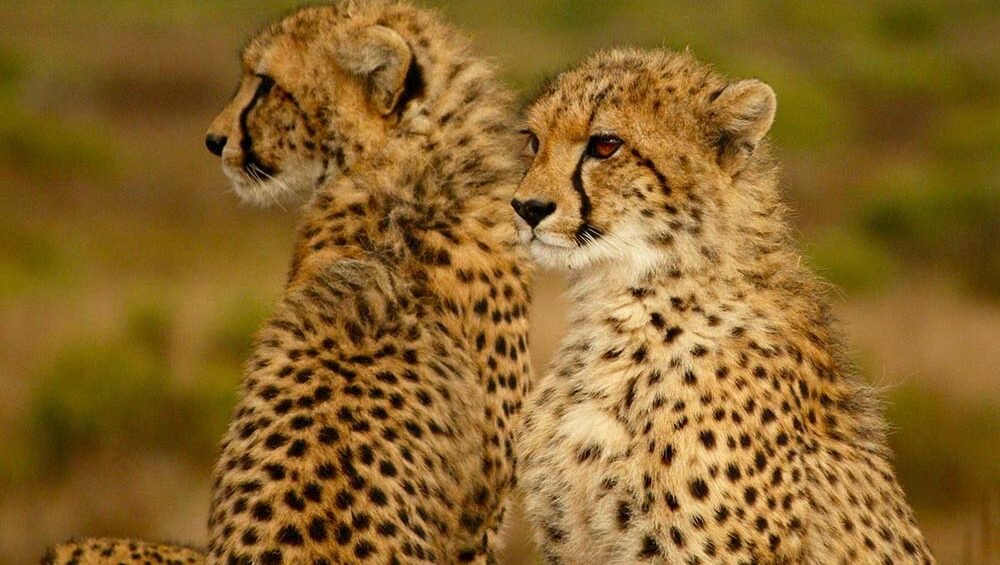
- Cheetah: The Serengeti has the largest cheetah population in Africa. The open southern plains — particularly near Ndutu — are the best area. Cheetahs hunt in daylight, making for exceptional sightings.
- Wild dog (African painted dog): Rare but present in the Serengeti. Sightings are unpredictable but memorable — wild dog hunts are among the most efficient and dramatic in Africa.
- Giraffe: Common throughout the park. The Masai giraffe is the subspecies found in the Serengeti.
- Hippopotamus: Found in rivers and waterholes throughout the park. The Mara River and Grumeti River hold large hippo pods.
- Crocodile: Enormous Nile crocodiles inhabit the Mara and Grumeti rivers. During the Migration crossings they account for significant wildebeest mortality.
- Zebra (Burchell’s): 250,000+ migrate with the wildebeest. Resident herds also present year-round in the central Serengeti.
Birdlife: over 500 species
The Serengeti is a world-class birding destination with over 500 recorded species. Highlights include the lilac-breasted roller, kori bustard, secretary bird, Fischer’s lovebird, various vulture species (lappet-faced, white-backed, Rüppell’s), and East African crowned crane. The green season (November–May) brings migrant species from Europe and additional residents drawn by standing water.
The main areas of Serengeti National Park
Central Serengeti — Seronera Valley
The most visited area and the year-round wildlife hub. The Seronera River provides permanent water that keeps resident lion prides, leopards, and large herbivores in the area throughout the year. The kopjes (granite outcroppings) are classic leopard and lion resting spots. Most lodges and camps are concentrated here. Best for first-time visitors wanting reliable Big Five sightings.
Southern Serengeti — Ndutu / Ngorongoro border
The stage for the calving season (December–March). The short-grass Ndutu plains are extraordinarily open, giving exceptional visibility for cheetah and lion hunts. Ndutu is technically within the Ngorongoro Conservation Area rather than the national park, but is accessed on the same northern circuit safari. Relatively quiet outside calving season.
Northern Serengeti — Kogatende / Lamai
The prime location for the Mara River crossings from July to October. Remote, dramatically beautiful, and increasingly popular. A longer drive from the main gate — most visitors fly in to the northern airstrips during river crossing season. Lower visitor numbers than the central Serengeti outside peak season.
Western Corridor — Grumeti River
The Migration passes through here from June to July on its way north, producing the first river crossings of the season at the Grumeti River. The western corridor is less visited than the central or northern areas, giving a more exclusive feel. Also good for hippos, crocodiles, and topi antelope.
Serengeti accommodation options
| Tier | Type | Price range | Examples |
| Budget | Tented camp / public campsite | $80–200 per person | Seronera Public Campsite, Grumeti Budget Camps |
| Mid-range | Lodge / permanent tented camp | $250–500 per person | Serengeti Sopa Lodge, Kubu Kubu Tented Lodge |
| Luxury | Premium lodge / exclusive camp | $600–1,500+ per person | Four Seasons Serengeti, Singita Grumeti |
| Mobile camp | Seasonal migration-following camps | $400–900 per person | Various operators — follow the herds |
Serac Adventure’s Serengeti safari packages use mid-range lodges and tented camps offering excellent comfort and exceptional wildlife access without the luxury markup. Private vehicle throughout. All park fees, guide, accommodation, and meals included.
Entry fees and practical logistics
| Fee | Amount (USD) | Notes |
| Park entry (adult) | $70 per person per 24 hours | Non-resident international rate |
| Park entry (child 5–15) | $20 per person per 24 hours | |
| Vehicle fee | $40 per vehicle per entry | All 4×4 safari vehicles |
| Camping fee | $40 per person per night | Public campsites |
| Airstrip fee | $35 per person | If flying into Serengeti airstrips |
All park fees are included in Serac Adventure safari packages — no hidden costs.
How to get to the Serengeti
- By road from Moshi / Arusha: Approximately 5–7 hours depending on traffic and road conditions via the Naabi Hill Gate. This is the standard option for budget and mid-range safaris and gives you the scenic drive through Ngorongoro Conservation Area.
- By charter flight: Multiple airstrips inside the park (Seronera, Grumeti, Kogatende, Ndutu) with flights from Arusha Airport (ARK). Flight time approximately 45–90 minutes. Significantly faster but adds $250–500 per person to your safari cost. Recommended for luxury camps and river crossing season.
Serac Adventure’s Serengeti safari packages
All our Serengeti safaris use private 4×4 Toyota Land Cruisers with pop-up roofs, experienced certified driver-guides, and comfortable accommodation. We tailor every itinerary to your dates, interests, and budget.
| Popular Serengeti safari combinations |
| 3-day Serengeti & Ngorongoro safari — from $1,200 per person (group) |
| 5-day Northern Circuit (Serengeti + Ngorongoro + Tarangire) — from $1,600 per person |
| 7-day Grand Serengeti safari (central + northern) — from $2,400 per person |
| Calving season special (Jan–Feb, Ndutu + Serengeti) — from $1,400 per person |
| Kilimanjaro + Serengeti combo (climb + safari + Zanzibar) — from $3,500 per person |
| All packages include: park fees, private vehicle, guide, accommodation, full board meals, transfers |
Frequently asked questions: Serengeti
When is the best time to visit the Serengeti?
The Serengeti is excellent year-round. June–October (dry season) offers peak wildlife concentration and the Mara River crossings. January–March delivers the calving season with extraordinary predator action. The green season (April–May, November) brings lush landscapes, fewer tourists, and lower prices. See our Tanzania safari best time guide for a complete breakdown.
How many days do you need in the Serengeti?
A minimum of two full days inside the park is recommended to see the main areas and have meaningful wildlife encounters. Three to four days is ideal — especially if following the Migration in the northern or southern sections. More days reduce the pressure of chasing specific sightings and allow for longer game drives.
Can you self-drive in the Serengeti?
Self-driving is technically permitted but strongly not recommended. The Serengeti is vast, roads are unmarked, and without an experienced guide you will miss the vast majority of wildlife. Breakdown risks in remote areas are also significant. A local guide’s knowledge of animal behaviour and daily movement patterns transforms a good sighting into an extraordinary one.
Is the Serengeti worth visiting outside Migration season?
Absolutely. The Serengeti’s resident wildlife population — including its lion prides, leopards, cheetahs, elephants, and buffalo — provides outstanding game viewing year-round. Many experienced safari travellers specifically prefer the green season (April–May) for the lush landscapes, lack of crowds, and exceptional birding, at significantly lower prices.
| Book a Serengeti safari with Serac Adventure Private vehicle, certified guide, all park fees, accommodation, and full board meals included. Packages from $1,200 per person. Tailor-made for your dates, group, and budget. Contact us: +255 785 790 460 (WhatsApp) | info@seracadventure.com |