The Maasai are one of East Africa’s most iconic and culturally resilient peoples. Maintaining a semi-nomadic pastoral tradition in the shadow of Mount Kilimanjaro and across the great plains of northern Tanzania and southern Kenya, the Maasai have resisted assimilation into modern urban life more successfully than almost any other East African ethnic group. A guided visit to a Maasai boma (village community) near Moshi is one of the most culturally rich experiences available on a Moshi day trip — if approached with the right intention and the right guide.
This guide tells you what a Maasai village tour involves, what to expect from the experience, how to approach it respectfully, and how Serac Adventure organises our visits to ensure they are genuine, educational, and beneficial to the communities involved.
| Maasai village tour at a glance |
| Location: Maasai communities near Moshi and the Kilimanjaro foothills |
| Duration: half day (3–4 hours) or full day option available |
| Includes: hotel pickup, guide and translation, village entrance fee, cultural demonstrations |
| Price from: $45 per person (half day) with Serac Adventure |
| Best for: cultural travellers, history enthusiasts, families with older children, first-time Tanzania visitors |
| What you will experience: traditional dances, warrior demonstrations, boma visit, beadwork, cattle culture |
Who are the Maasai?
The Maasai are a Nilotic ethnic group who migrated south from the Nile Valley region approximately 300–400 years ago, eventually settling across the grasslands and semi-arid plains of what is now Kenya and northern Tanzania. Today, Tanzania’s Maasai population numbers approximately 800,000–1,000,000, with significant communities in the Kilimanjaro, Arusha, and Manyara regions.
Maasai society is organised around cattle — historically the primary measure of wealth and status. Cattle are not merely economic assets but spiritual and social anchors: gifts at marriage, offerings at ceremonies, and the defining currency of Maasai life. The Maasai diet has traditionally centred on milk, blood, and beef, though many modern Maasai also eat grains and vegetables.
The age-grade system structures Maasai society: boys transition to junior warriors (moran) through the ilkiama circumcision ceremony, serve as warriors who protect the community and cattle herds, then gradually transition through senior warrior and elder grades as they age. Each grade carries specific responsibilities, dress codes, and social privileges. Understanding this system is key to making sense of what you observe during a village visit.
What you will experience on the tour
Arrival and welcome
On arrival at the boma — a circular settlement of low mud-and-dung houses enclosed by a thorny acacia fence (enkiama) — you are welcomed by the community leader or an elder. Your Serac Adventure guide provides translation and cultural context throughout. The first impression is often the smell of smoke and cattle — both integral to Maasai daily life and the first sensory signal that you are in a genuinely different cultural world.
Traditional dancing and jumping
The adumu — the traditional Maasai jumping dance — is one of the most immediately striking cultural performances in East Africa. Maasai warriors compete to jump the highest from a standing start, the body rigid, the beaded jewellery rattling, the deep chanting of the surrounding men providing a rhythmic foundation. The jumping is not performance for tourists — it is a genuine expression of warrior pride and physical excellence that has been practiced for centuries. Visitors are often invited to attempt the jump themselves, which provides a memorable and humorous moment.
Boma tour and daily life
A guided walk through the interior of the boma reveals the structure of Maasai domestic life. Enkajijik (houses) are built by women from a framework of branches, plastered with a mixture of mud, cow dung, ash, and urine — a surprisingly effective building material that insulates against both heat and cold. Each house is dark, low-ceilinged, and divided into sleeping areas for different family members and calves brought inside at night for protection.
Your guide explains the social structure: who lives in which house, how the boma is laid out in relation to the cattle pen at its centre, and how the thorny fence serves as protection against lions and other predators at night.
Beadwork and crafts
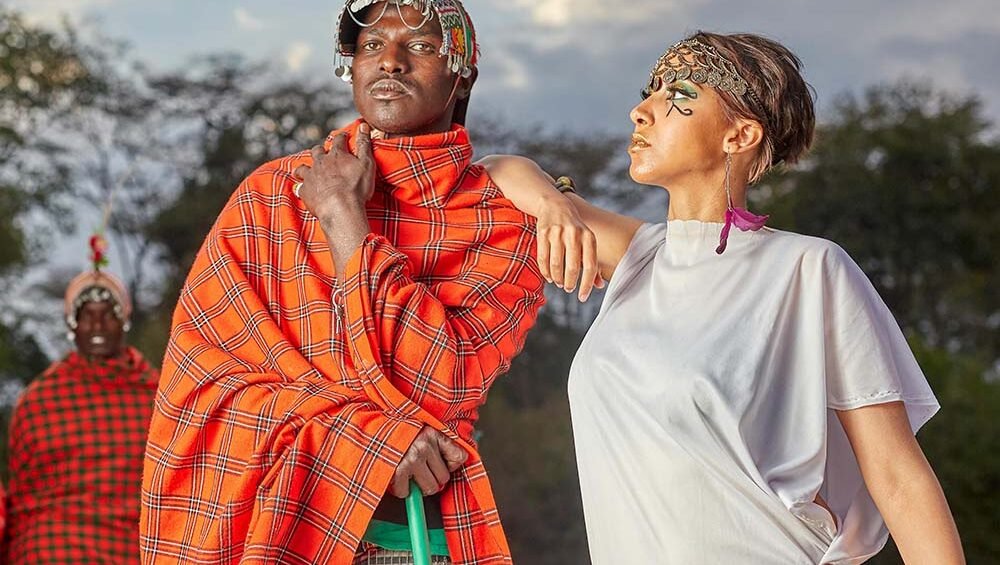
Maasai beadwork is among the most sophisticated and symbolically rich decorative traditions in Africa. The colours, patterns, and placement of beads on jewellery, belts, and clothing carry specific meanings relating to age grade, marital status, and regional identity. Women typically produce the beadwork and will often demonstrate the process and explain the significance of specific pieces. Jewellery and crafts are available to purchase directly from the makers — a meaningful souvenir that supports the community directly.
Fire-making demonstration
The traditional Maasai fire-making technique — using a stick of olkiloriti wood rotated rapidly between the palms against a hardwood base — is genuinely impressive when performed by experienced elders. Your guide will explain the significance of fire in Maasai ceremonies and daily life, and visitors are invited to attempt the technique themselves.
Optional market visit
Some Maasai day tours from Moshi include a visit to a local Maasai market — a weekly trading gathering where cattle are bought and sold, and where Maasai men and women from surrounding communities come to exchange goods. The market provides an entirely unscripted window into contemporary Maasai economic life that is more candid than any staged village experience.
Cultural etiquette — visiting respectfully
- Ask before photographing: Never photograph a Maasai person without asking first. Many elders and warriors will accept being photographed and some may request a small fee ($1–2) — this is entirely reasonable and should be respected. Do not photograph people who decline.
- Dress modestly: Cover shoulders and knees when visiting the boma as a mark of respect for the community. This is not a strict dress code but is appreciated.
- Follow your guide’s lead: Your guide knows the specific community being visited and will indicate what is appropriate in each situation. Do not wander independently into houses or restricted areas.
- Listen more than you talk: The most valuable part of a Maasai village visit is observation and listening. Ask questions through your guide — good questions are welcomed and often prompt deeper, more interesting explanations.
- Purchase from the community: If you buy souvenirs, buy them directly from the community members selling them — not from middlemen or hotel gift shops. The money goes directly to the families.
How Serac Adventure organises Maasai village tours
Serac Adventure works with established Maasai communities near Moshi that have been welcoming visitors for many years. We pay a community entrance fee that goes directly to the village leadership for distribution, and we pay our local Maasai co-guide an above-market rate for their participation. We do not organise visits to communities that have not consented to tourism, and we brief all clients on cultural etiquette before arrival.
The experience we offer is designed to be genuinely educational rather than purely theatrical. Our guides explain the context and meaning behind everything you observe — the age-grade system, the significance of cattle, the role of women in Maasai society, and the pressures facing traditional Maasai culture in modern Tanzania.
Frequently asked questions: Maasai village tour
Is a Maasai village tour authentic?
The authenticity depends entirely on how the tour is organised. Community visits arranged through responsible operators like Serac Adventure, with proper consent, a local Maasai guide, and fair compensation to the community, are genuine cultural encounters. Visits arranged through hotel lobbies or informal street touts are often staged and exploitative. Ask your operator how they have arranged the visit and what the community receives.
Is the experience suitable for children?
Yes — a Maasai village tour is an excellent cultural education for children aged 8 and above. The jumping demonstrations, animal interactions, and craft-making are particularly engaging for young visitors. Younger children can participate but may find the duration of the cultural explanation sections challenging.
Can I combine the Maasai tour with other activities?
The half-day format (3–4 hours including transport) makes it easy to combine with other Moshi day activities. Popular combinations: Maasai village in the morning, Moshi town walking tour in the afternoon; or Materuni Waterfalls (full day) followed by a Maasai market visit (if on a market day).
| Book a Maasai village tour with Serac Adventure Half-day and full-day options available. Private tour for your group only. Price from $45 per person — hotel pickup, local guide, and community entrance fee included. Contact us: +255 785 790 460 (WhatsApp) | info@seracadventure.com |