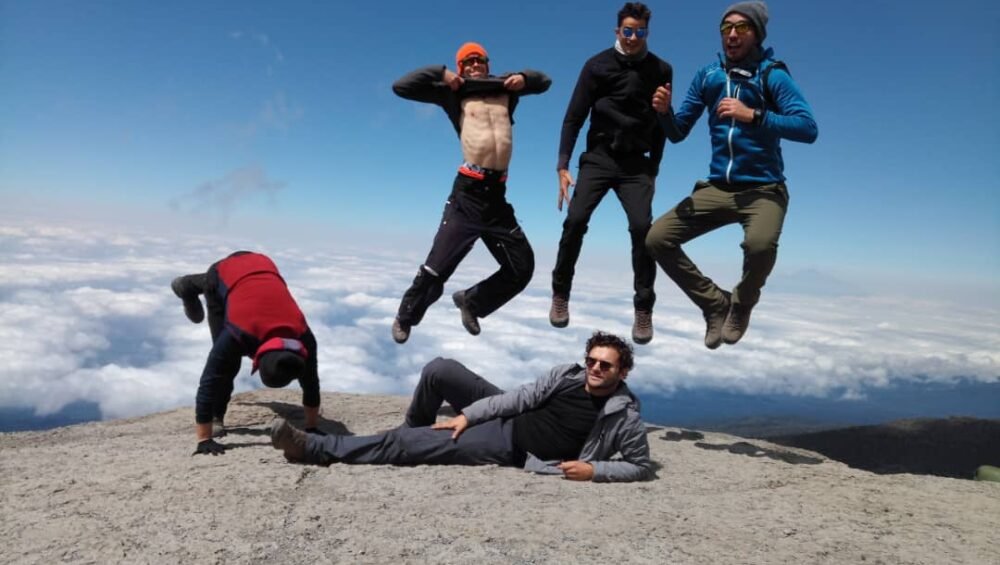
Combining a Kilimanjaro climb with a Tanzania safari is the most complete adventure East Africa offers. You summit Africa’s highest mountain at 5,895 metres, descend to the savannah, and then spend your recovery days watching lions hunt on the Serengeti plains. The contrast between these two experiences — the solitude and physical demand of the mountain against the ease and abundance of the safari — makes each feel more extraordinary by comparison.
This guide covers everything you need to plan this combination seamlessly — how many days you need, which route to climb, how to structure the safari after the climb, what the whole thing costs, and the logistics that make it work without stress. Written by the Serac Adventure team in Moshi, who organise this combination more than any other itinerary.
| Kilimanjaro + safari combo at a glance |
| Total recommended days: 12–16 (depending on Kilimanjaro route and safari length) |
| Most popular combination: 8-day Lemosho + 1 recovery day + 4-day northern circuit safari |
| Minimum viable: 7-day Machame + 1 recovery day + 3-day safari = 11 days total |
| Best season: January–February or June–October (dry season for both) |
| Total cost from: $4,000 per person all-inclusive (7-day Machame + 3-day safari) |
| Serac Adventure organises both components from Moshi — single point of contact |
Why combine Kilimanjaro with a safari?
The contrast makes both better
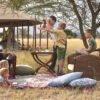
One of the most consistent observations from Serac Adventure clients who have done the combination: each experience makes the other feel more intense. After 7–8 days on Kilimanjaro — sparse vegetation, volcanic rock, thin air, physical demand — the explosion of wildlife and colour on the Serengeti plains is almost overwhelming. The lions, the elephants, the vast sky above the endless grass. Conversely, having just climbed Kilimanjaro, the mountain visible behind you from the safari vehicle, adds a layer of personal connection to Tanzania’s landscape that purely safari-focused visitors never have.
Logistics are simpler than you think
Because Kilimanjaro, the northern safari circuit, and Moshi are all within 3 hours of each other by road, the combination involves minimal additional travel. You descend from Kilimanjaro to Moshi. You rest for a day. You depart for the safari from Moshi. There are no internal flights required, no complex multi-city logistics. Serac Adventure handles the transition entirely — the same team that ran your Kilimanjaro climb hands you off to the safari vehicle.
Zanzibar makes it complete
Add 3–4 days in Zanzibar after the safari and the combination becomes the definitive Tanzania experience: mountain, wildlife, beach. The physical and psychological arc is perfect — intense physical challenge, followed by the visual abundance of the safari, followed by unhurried relaxation on a world-class beach island. Many of our clients describe this three-part itinerary as the best trip of their lives.
How many days do you need?
| Itinerary | Kilimanjaro | Recovery | Safari | Total | Notes |
| Minimum viable | 7-day Machame | 1 day | 3-day safari | 11 days | Tight but doable |
| Recommended standard | 7-day Machame | 1 day | 4-day safari | 12 days | Best balance |
| Premium combo | 8-day Lemosho | 2 days | 5-day safari | 15 days | Best experience |
| Grand Tanzania | 8-day Lemosho | 2 days | 5-day safari + Zanzibar (4 days) | 19 days | Complete Tanzania trip |
| Compact budget | 6-day Marangu | 1 day | 3-day safari | 10 days | Lower success rate — not recommended |
Which Kilimanjaro route for the combo?
8-day Lemosho — our recommendation for the combo
The 8-day Lemosho is our top recommendation for the Kilimanjaro-safari combination specifically because the superior acclimatisation profile means you arrive at the safari in better physical condition. Climbers who struggle severely on summit night or experience significant AMS are often exhausted and unwell for the first safari days. The 8-day Lemosho’s gentler ascent means most climbers feel genuinely recovered and energised for the safari by Day 2 after descent.
7-day Machame — the popular alternative
The 7-day Machame saves one day and costs slightly less — making it the preferred choice for travellers with exactly 12 days. The summit success rate of 82–87% is excellent. The slightly more demanding ascent means some climbers are more tired after descent, but a proper recovery day in Moshi mitigates this for most people.
The recovery day — why it is non-negotiable
Never go directly from Kilimanjaro descent to safari. The day after you descend from Kilimanjaro — particularly after an 8-day climb — your body is genuinely depleted. Legs are tired from 4,253 metres of descent. Sleep debt has accumulated over days of thin air and cold nights. Your digestive system is readjusting to normal food. Going directly from the mountain gate to a safari vehicle produces a miserable first safari day.
One full recovery day in Moshi is the minimum. Two days is better for the 8-day Lemosho climbers. Use this time for: a long hot shower, an enormous meal, a full night’s sleep in a real bed, the Chemka Hot Springs if you have the energy, and a proper morning before the safari departs.
Structuring the safari after Kilimanjaro
The northern circuit safari after Kilimanjaro benefits from a slightly different structure than a standalone safari. Key considerations:
- Private vehicle is essential: after Kilimanjaro, you cannot predict which days your legs will be stiff or when you want to stop early. A private vehicle gives you complete flexibility.
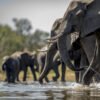
- Start gently: begin the safari with Tarangire (the most accessible park) rather than driving straight to the Serengeti. Tarangire’s elephant herds provide immediate wildlife satisfaction with minimal driving time.
- Build in a lodge rest day: on a 4 or 5-day post-Kilimanjaro safari, allow one afternoon at the lodge rather than two full game drives every day. Your body will thank you.
- Prioritise comfort tier: post-Kilimanjaro is not the time to economise on safari accommodation. A mid-range lodge with a proper bed and hot shower after camping for 8 days on the mountain feels like profound luxury — and genuinely speeds recovery.
Sample 13-day Kilimanjaro + safari itinerary
| Days 1–2 Moshi | Arrive and acclimatise Arrive JRO, transfer to Moshi. Rest, gear check, Materuni Waterfalls day trip on Day 2 for gentle acclimatisation on lower Kilimanjaro slopes. |
| Days 3–9 Kilimanjaro | 7-day Machame Route Machame Gate to Uhuru Peak and descent via Mweka Route. Summit night on Day 8. Return to Moshi on Day 9 afternoon. Summit certificate at Mweka Gate. |
| Day 10 Recovery | Moshi recovery day Hot shower, enormous meal, full night’s sleep. Chemka Hot Springs in the morning for warm water recovery. Safari briefing in the afternoon. |
| Day 11 Tarangire | Safari Day 1 Drive to Tarangire National Park for an afternoon game drive. Elephant herds at the Tarangire River, baobab landscape. Overnight at Tarangire area lodge. |
| Day 12 Serengeti | Safari Day 2 Full day in the Serengeti. Morning game drive targeting big cats — lions, cheetah, leopard. Afternoon drive following guides’ intelligence on Migration herd locations. Overnight Serengeti lodge or tented camp. |
| Day 13 Ngorongoro | Safari Day 3 — final day Early morning Ngorongoro Crater descent. Full 6-hour crater floor game drive — black rhino search, dense lion prides, hippos at Lake Magadi, buffalo herds. Ascent by midday. Drive back to Moshi or direct to JRO airport for departure. |
Cost breakdown: Kilimanjaro + 3-day safari combo 2026
| Component | Budget | Mid-range | Notes |
| 7-day Machame (Serac Adventure) | $1,700 pp | $1,700 pp | All park fees, guides, porters, meals included |
| Pre-climb accommodation (2 nights) | $150 | $300 | Moshi hotel |
| Recovery day accommodation + Chemka | $130 | $200 | Hotel + Chemka tour |
| 3-day northern circuit safari | $900 | $1,500 | Incl. park fees, vehicle, guide, accommodation |
| Kilimanjaro + safari crew tips | $400 | $500 | Guide, porters, safari driver |
| Tanzania eVisa | $50–$100 | $50–$100 | |
| Travel insurance | $150 | $200 | High-altitude cover essential |
| International flights | $800 | $1,100 | JRO in, JRO or NBO out |
| Total per person | $4,280–$4,630 | $5,550–$6,100 |
Frequently asked questions: Kilimanjaro + safari combo
Can I do the safari before Kilimanjaro instead?
You can — but we do not recommend it. Kilimanjaro first is strongly preferred for the physical and psychological reasons described above. The only scenario where safari-first makes sense is if your flight connections necessitate it, or if you are doing a very short safari and want to arrive fully rested for the climb.
How do I get from the mountain to the safari?
Serac Adventure handles this entirely. On descent day (Day 9 in the 7-day Machame example), our vehicle meets you at Mweka Gate and transfers you directly to your Moshi hotel. After your recovery day, our safari vehicle picks you up from the same hotel the morning the safari begins. No extra logistics on your part.
Is the combination suitable for all fitness levels?
The safari component is accessible to all fitness levels — you are sitting in a vehicle. The Kilimanjaro component requires genuine preparation. If you are concerned about the combination, choose the 8-day Lemosho Route (better acclimatisation), complete a proper 8–12 week training programme, and give yourself two recovery days rather than one.
| Book your Kilimanjaro + safari combo with Serac Adventure We coordinate both components seamlessly from our Moshi office. Machame + 3-day safari from $4,200 pp | Lemosho + 4-day safari from $5,100 pp Single booking, single point of contact, complete logistical support. Contact us: +255 785 790 460 (WhatsApp) | info@seracadventure.com |